Conference Production San Antonio TX
Home » Conference Production San Antonio TX

A conference runs on things happening at once that nobody’s supposed to notice. A keynote on the main stage. Two breakouts running in parallel. A registration line moving through the lobby. Most attendees never think about it. That’s the entire point of good production, complexity made invisible.
Conference production in San Antonio, TX is built around exactly that kind of coordination. Where a corporate event centers on one message for one audience, a conference multiplies everything, sessions, tracks, an exhibitor floor, into a single coordinated, multi-day agenda. Event Ignition treats the general session, breakout rooms, and every supporting space as one connected system, not a set of isolated bookings.
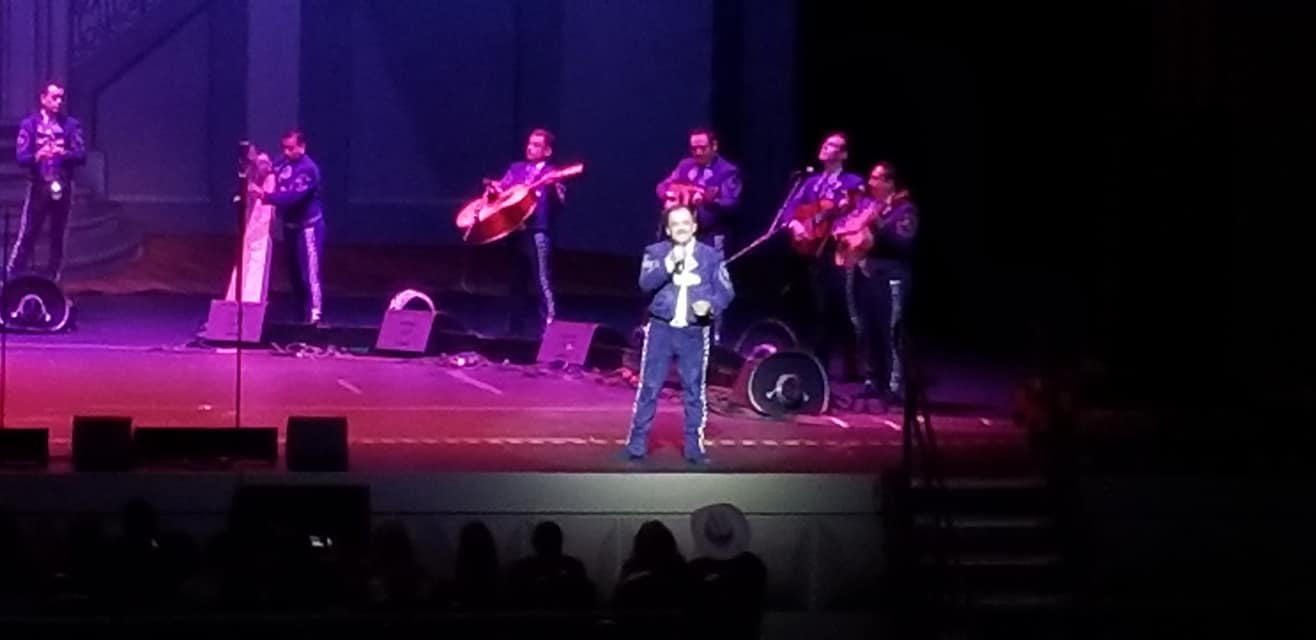
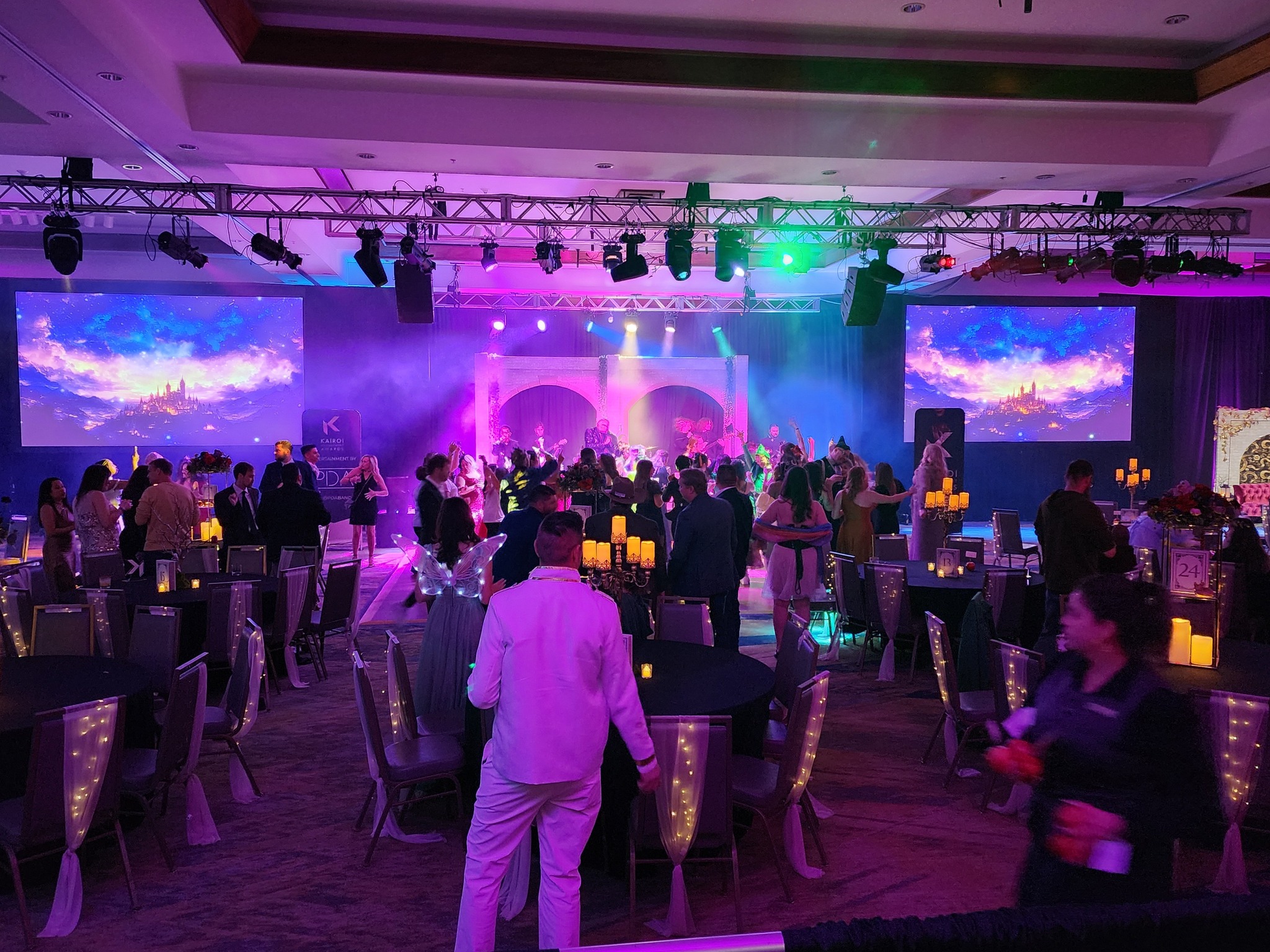
Scale is the most visible difference, but it isn’t the only one. A conference typically runs across multiple days. That means equipment, crew, and contingency planning all need to hold up under sustained use, not just a single afternoon. Breakout sessions running in parallel multiply the number of things that can go wrong simultaneously. A projector failing in Breakout Room B, while the general session is mid-keynote, requires a crew structure built for parallel troubleshooting. One person can’t handle every room at once.
Registration flow, signage, and attendee wayfinding also become production considerations at conference scale in a way they rarely do for a single corporate meeting. None of it is visible when it works. All of it becomes obvious when it doesn’t.
A well-run conference typically coordinates several moving parts under one production plan:
Treating these as one coordinated system, rather than separate line items handled by different vendors, makes the difference. It’s what keeps a conference feeling cohesive from the opening keynote through the closing session.


Day one of a conference and day three rarely feel the same, and production planning has to account for that shift. Equipment that ran flawlessly on day one needs a maintenance check before day two, not an assumption that nothing has changed. Crew energy matters just as much. Rotating staff across a multi-day schedule prevents the kind of fatigue-driven oversight that tends to surface late in an event, not early.
Redundancy planning becomes more important as the event stretches across days rather than hours. A backup microphone or a spare HDMI cable solves a single-day problem. A multi-day conference needs backup equipment staged and ready for each day, independently. A failure on day two shouldn’t depend on whether day one’s backup has already been used.
Local venue familiarity carries real weight at conference scale. San Antonio’s convention center and downtown hotel properties each have distinct power distribution, loading dock access, and rigging capabilities. All of it shapes what’s realistically achievable for a multi-track event. A production partner who has already worked a specific venue arrives already knowing where the technical constraints are, rather than discovering them during load-in.
This familiarity extends beyond the technical specs of a room. It includes knowing which loading dock gets congested when two events overlap. It includes knowing which elevators are too small for larger scenic pieces, and which breakout rooms have acoustic issues that affect microphone placement. None of this appears on a venue’s spec sheet, but all of it affects how smoothly a multi-day event actually runs.
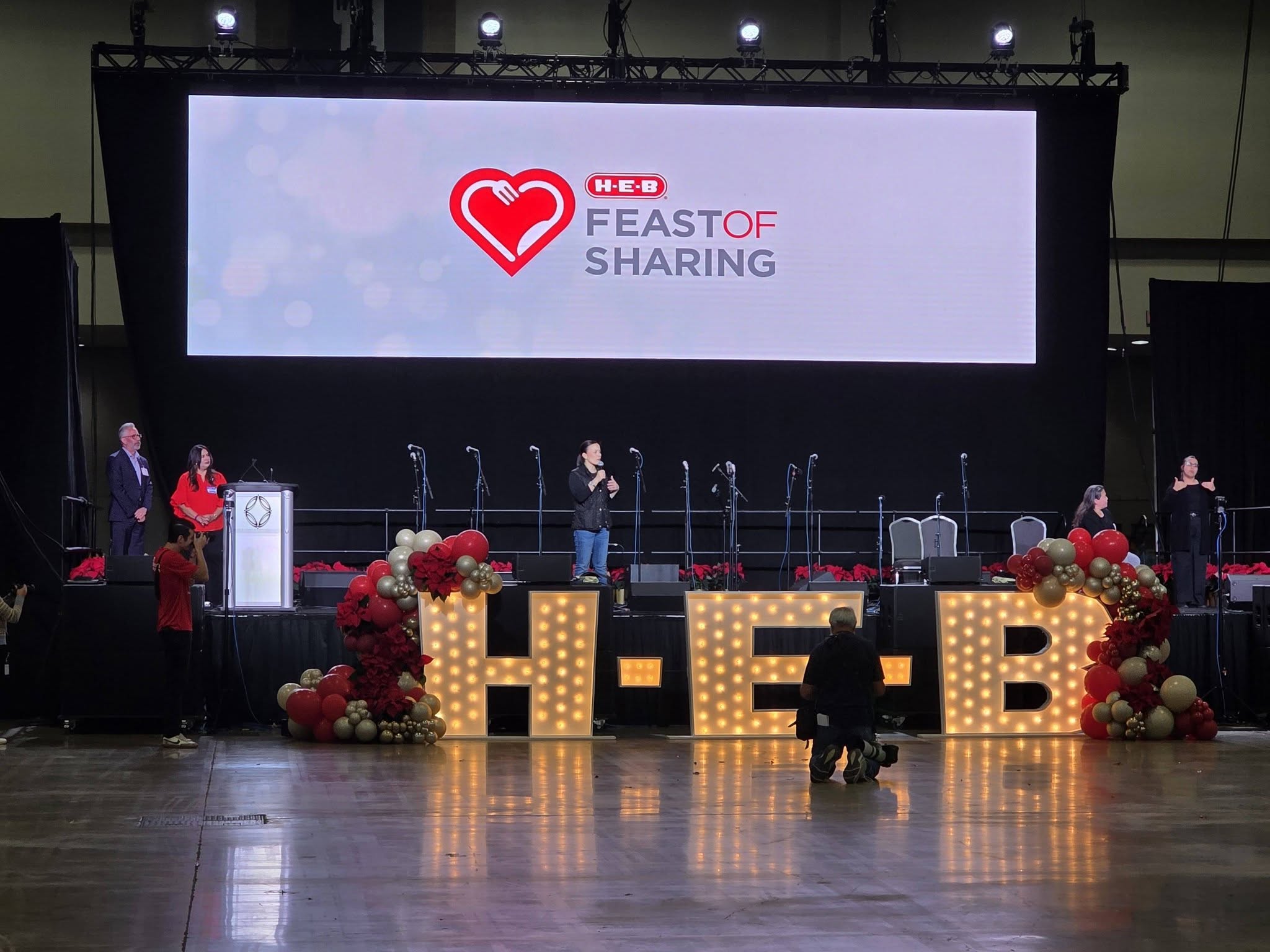
Pricing for conference production tends to scale with three factors more than any others. Simultaneous spaces requiring coverage, total event days, and the complexity of any hybrid or recorded components, all of it adds up. A single general session with no breakouts costs meaningfully less to produce than the same session paired with six parallel tracks. Each track effectively requires its own smaller production setup, running independently.
Understanding this logic helps planners budget realistically, rather than comparing quotes without accounting for scope differences. A lower quote covering fewer simultaneous rooms isn’t necessarily a better value if it doesn’t match what the conference agenda actually requires.
Three questions tend to separate an experienced conference production team from one still building that experience. First, how many multi-day, multi-track events has the team actually run, as opposed to single-day corporate meetings. Second, what does their crew-to-room ratio look like when multiple breakouts run at once? A single technician covering three rooms simultaneously is a different level of coverage than one technician per room. Third, how is equipment redundancy handled across a multi-day schedule specifically, not just for a single event day.
Teams that answer these with specific numbers and precedent, rather than general reassurances, have typically been tested at this scale before. That distinction tends to matter more once an event is underway than it does during the proposal stage.
Three to six months is typical for a multi-day conference, allowing time for venue coordination, breakout room planning, and crew scheduling. Larger conferences with multiple simultaneous tracks benefit from earlier engagement to secure equipment and staffing.
Yes, with proper planning. Separate audio zones, independent power circuits, and dedicated crew per room are standard practice. Together, they prevent one session’s technical issues from affecting another running at the same time.
Experienced production teams stage backup equipment for each day of a multi-day event, rather than relying on a single contingency set. That allows a fast swap, without waiting for replacement parts to arrive mid-event.
Many full-service providers coordinate registration technology and wayfinding signage alongside AV production. Attendee flow directly affects how sessions start on time, and how smoothly the event reads to attendees.
The Henry B. Gonzalez Convention Center and several downtown hotel properties offer the meeting space, loading access, and power infrastructure needed for multi-track conferences. Capacity and technical specifications vary enough between venues that a site walkthrough is worth doing before finalizing a booking.
Circle back to that opening image: a keynote, two breakouts, and a registration line. All of it running at once. Nobody in the room gives it a second thought. That seamlessness is the actual deliverable. Every detail covered here, staffing, redundancy, venue selection, exists to keep it that way. Sessions start on time. Equipment holds up through day three. Attendees never get lost.
That’s the standard a dependable event production company in San Antonio should be held to. Conference production done well isn’t loud. It’s just quietly, consistently right.