Corporate Event Company San Antonio
Home » Corporate Event Company San Antonio

Nobody remembers whether the projector was 4K. They remember whether the message landed, and whether the room believed it. That’s the real scorecard for corporate production. Most planning conversations still start with equipment lists instead of outcomes.
A corporate event company in San Antonio is judged by that harder standard, not by what was rented. Event Ignition designs and produces corporate events, from product launches to executive summits. Every event runs on one integrated system, lighting, sound, video, and staging, built to serve the message rather than fill a checklist. The work spans annual meetings, executive conferences, and internal town halls held across San Antonio’s hotel, convention, and corporate campus venues.
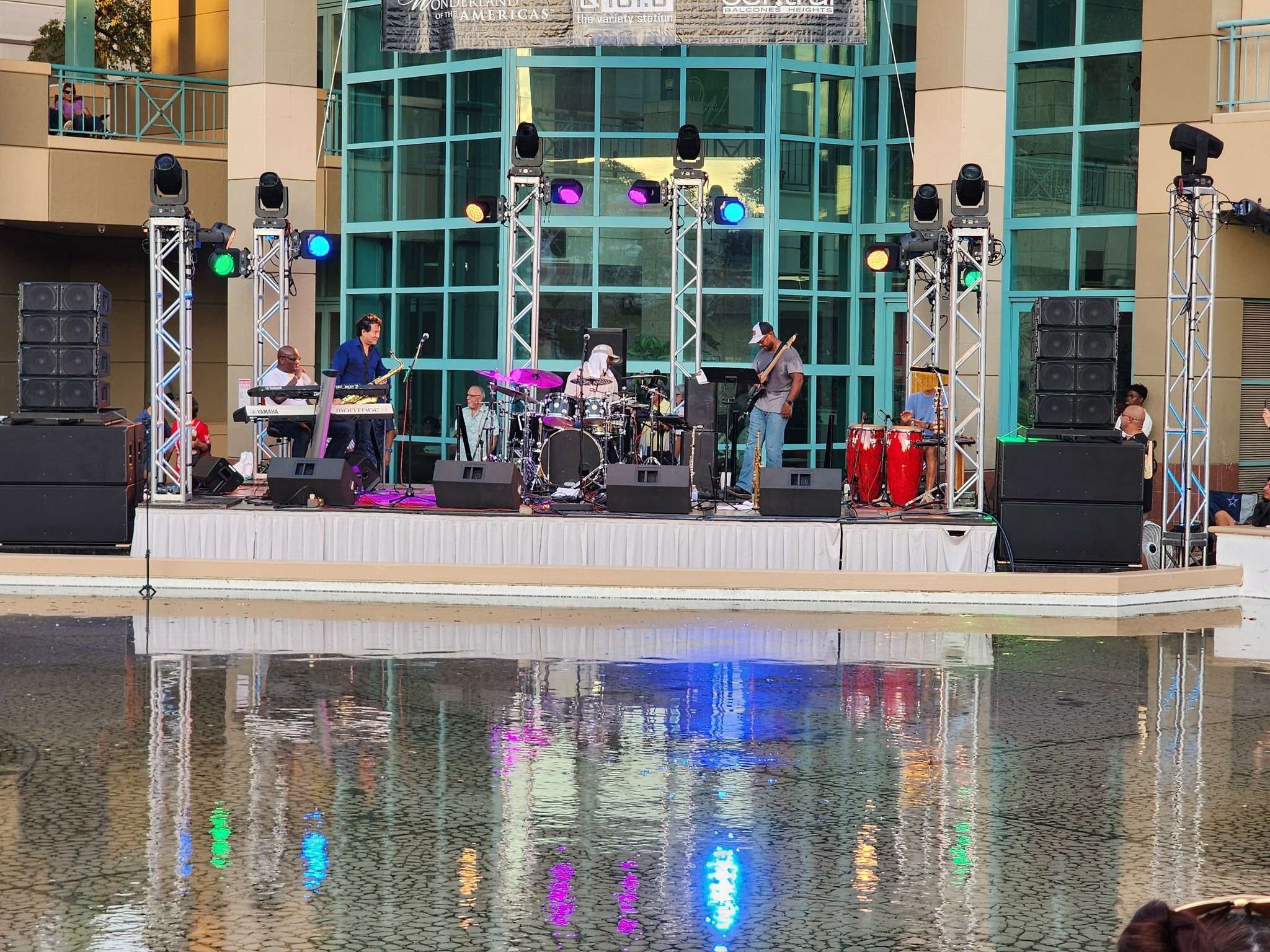
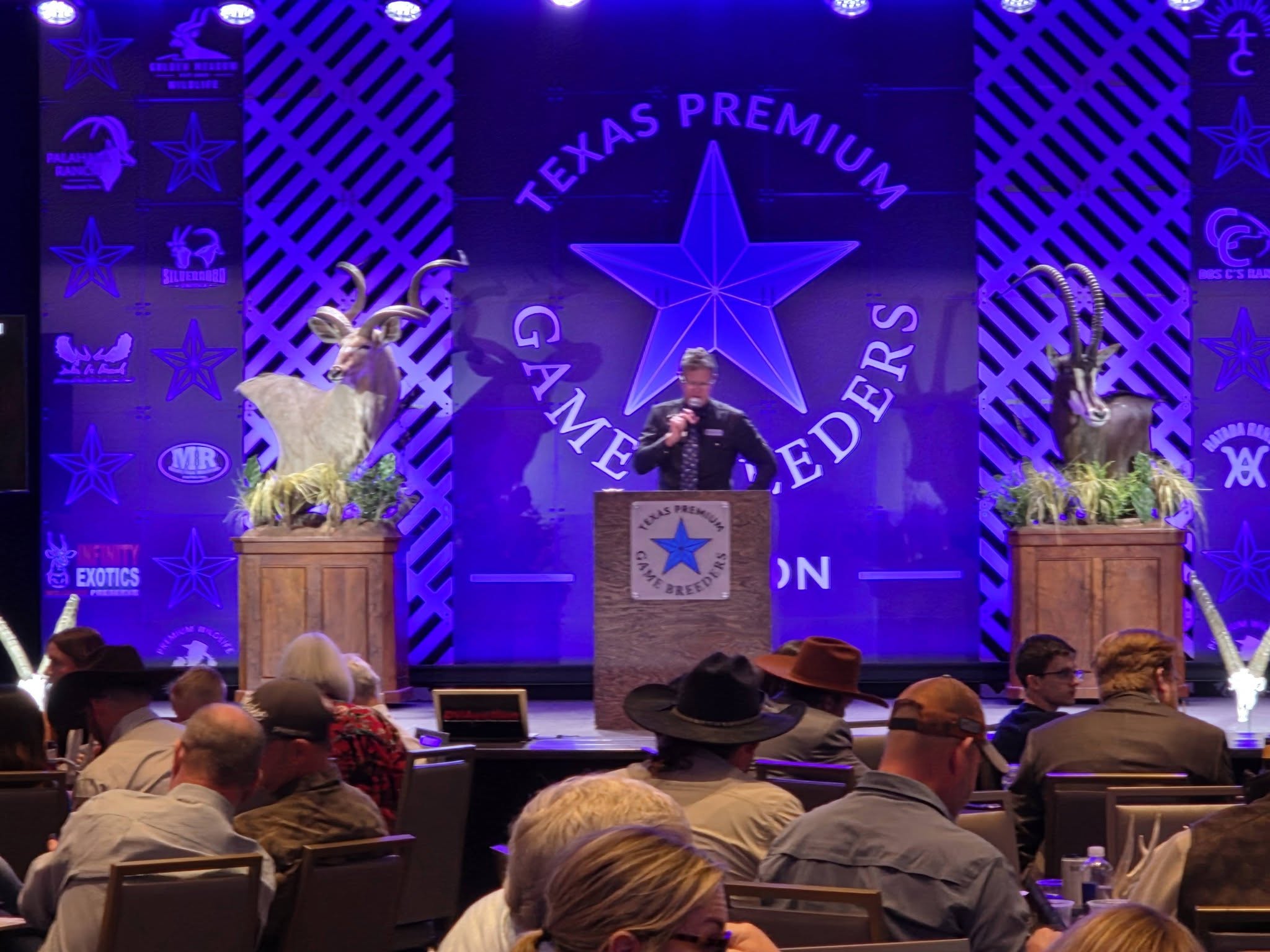
Corporate event services in San Antonio cover more ground than most planners initially expect. A full-service production partner typically manages several disciplines under one coordinated plan, rather than as separate vendor relationships:
| Discipline | What It Covers |
| Lighting design | Stage wash, brand color washes, ambient room lighting |
| Audio engineering | Presenter mics, panel discussions, playback, room acoustics |
| Video and broadcast | Screen content, live camera feeds, hybrid streaming |
| Staging and scenic | Set design, branded backdrops, modular staging |
| Production management | Timeline coordination, vendor scheduling, on-site crew |
Coordinating these as one system, rather than five separate rentals, is what keeps a general session running on time. It’s also what keeps the room looking cohesive from the first slide to the closing remarks.
Corporate event lighting in San Antonio does more work than most attendees consciously register. Stage lighting shapes how a presenter is seen on camera and by the room. Ambient lighting sets the tone before a single word is spoken. It signals whether an event is a formal executive briefing or a more energetic product reveal. Color washes tied to brand palettes reinforce identity throughout a multi-day conference, without a single additional slide.
The technical side matters just as much as the design side. Venue power capacity, rigging points, and ceiling height all constrain what’s actually achievable in a given room. That’s why lighting plans built after a site walkthrough consistently outperform ones built from a floor diagram alone.


Corporate meeting production in San Antonio has become more technically demanding as hybrid attendance has become standard practice rather than an exception. A general session now often needs to satisfy an in-room audience and a remote one simultaneously. That raises the bar on camera positioning, audio clarity, and screen content. All of it needs to read well on both a ballroom projector and a laptop screen.
Executive-level meetings carry additional weight. A leadership presentation with poor audio or a slide deck that doesn’t display correctly reflects on the organization, not just the equipment. Treating meeting production as a strategic discipline changes the outcome. Its own run-of-show, its own rehearsal time, its own contingency plan, that’s what separates a meeting that lands from one that merely happens.
Event Ignition knows San Antonio’s venue landscape well, from downtown hotel ballrooms to convention center halls to corporate campus auditoriums. That familiarity shapes planning decisions before a single fixture is loaded in. Power limitations in older buildings, load-in logistics at busy hotel properties, and rigging restrictions at specific venues are common realities on site. A team with local repetition already accounts for these details, rather than discovering them on event day.
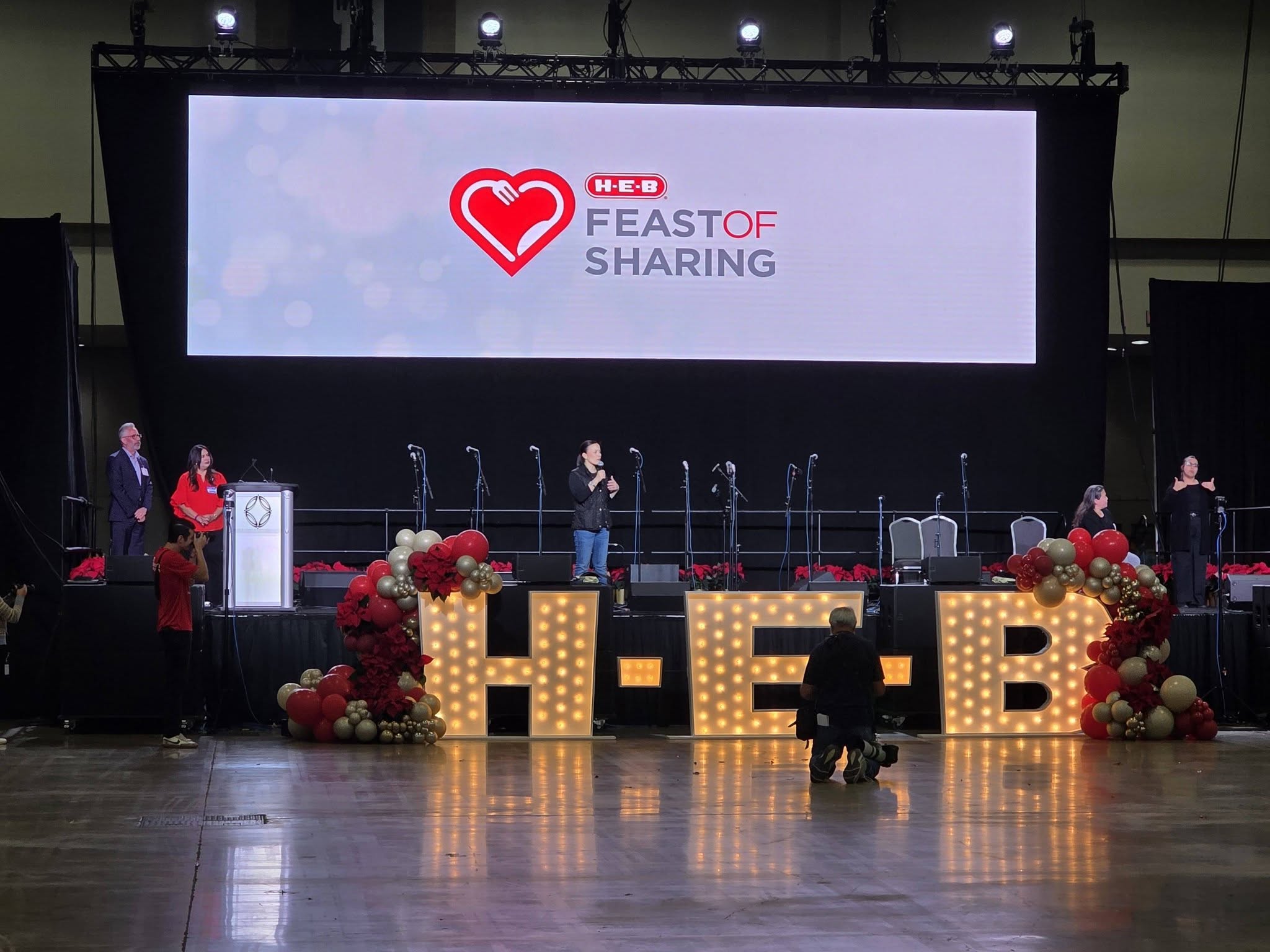
A few assumptions tend to surface early in planning conversations, and most of them don’t hold up under closer scrutiny. The first is that a smaller event needs less coordination than a large one. Scale changes complexity, not the need for precision. A fifty-person leadership offsite with a single presenter still requires precise audio. It also needs a clean camera angle if it’s being recorded, and lighting that reads well on video. None of that happens automatically.
The second misconception is that hybrid components can be added on shortly before the event without disrupting the core plan. Camera positioning, streaming bandwidth, and remote audience audio all need to be factored into the room layout from the start. None of it works layered on top of an existing in-person plan.
The third is that production quality is primarily a function of budget. Budget affects scale and scope. But the discipline behind a well-run event matters just as much as the equipment list. A tested run-of-show, a rehearsed transition plan, a crew that knows the venue, all of it counts.
Most engagements begin with a discovery conversation covering the event’s objective, audience size, and venue. From there, a site walkthrough confirms power, rigging, and layout constraints firsthand. A production plan is then built around the specific communication goal of the event, whether that’s a polished product reveal or a straightforward, information-dense briefing.
Rehearsal time, even a condensed run-through the morning of the event, catches the small issues early. A microphone level, a slide transition, a lighting cue, all get caught before they become visible to the audience. Production partners who build this step into the timeline by default, rather than treating it as optional, consistently deliver a smoother event.
A full-service provider typically manages design, equipment, crew, and on-site execution across lighting, sound, video, and staging as one coordinated plan. That includes pre-event site walkthroughs and rehearsal scheduling, both aimed at reducing risk before doors open.
Six to eight weeks gives adequate time for site walkthroughs, technical planning, and rehearsal scheduling. Larger conferences or hybrid events with broadcast components benefit from earlier lead time to account for additional technical setup.
Yes. Color-accurate lighting fixtures can be programmed to match specific brand palettes for stage washes, ambient lighting, and accent elements. This is typically confirmed during the design phase, before the event.
Most current corporate productions do. Camera systems, streaming platforms, and remote audience engagement tools are now built into standard planning rather than treated as a separate add-on service.
Corporate events are typically single-purpose gatherings built around one message or milestone. Conferences involve multiple sessions, breakout tracks, and a broader agenda spanning one or more days, which changes both the scale and the production approach required.
Go back to the opening question: what does a room actually remember? Not the lighting rig. Not the AV inventory. It’s whether the message landed and whether people believed it. Every decision covered here serves that outcome, from lighting design to meeting production to vendor vetting.
That’s the real standard behind strong corporate event planning in San Antonio. Treat production as a strategic investment, not a logistics checkbox. Whether the event is a fifty-person leadership offsite or a full-scale annual conference, that standard holds.